
We’ve all heard this command, or some version of it being barked by well meaning authority figures at some point. But why is posture so important? What impact does it have on our
health? Let’s start by defining posture. Posture refers to the position our bodies are held in while standing, sitting, or lying down.
It’s very difficult to discuss “posture” without discussing some anatomy.
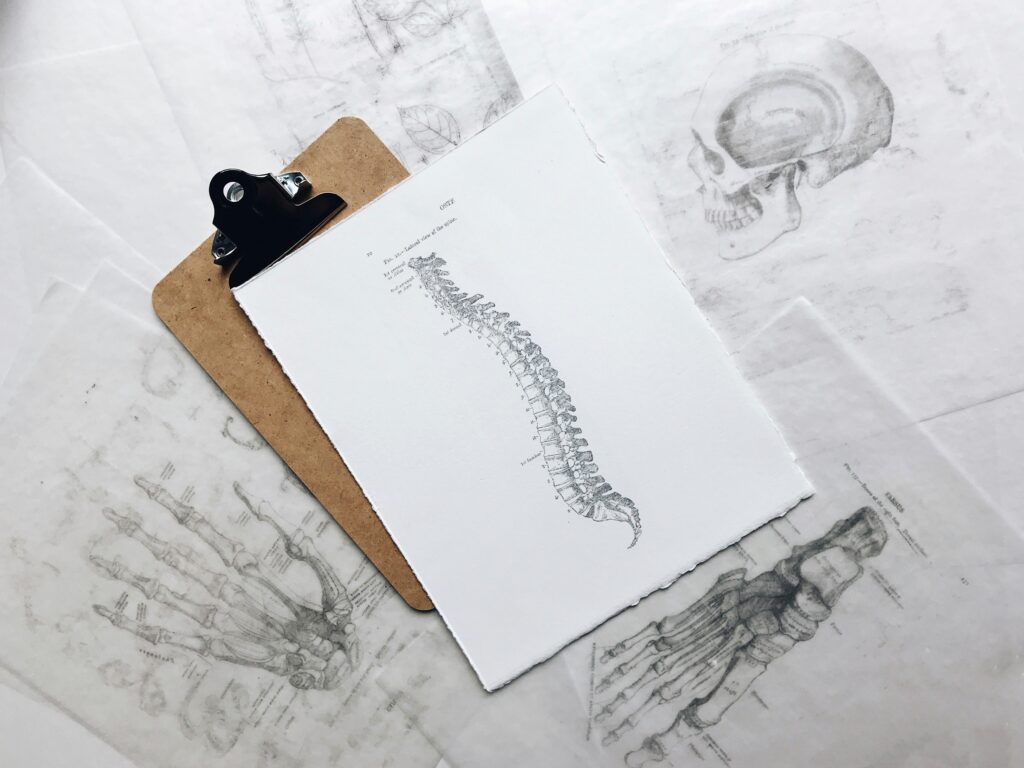
To understand posture, it’s essential to grasp the basics of body alignment. The human spine has three natural curves: the cervical curve (neck), the thoracic curve (upper back), and the
lumbar curve (lower back). Good posture maintains these curves without exaggerating or flattening them. The head should be aligned over the shoulders, and the shoulders should
be in line with the hips. This alignment helps distribute the body’s weight evenly, minimizing strain on bones, nerves, muscles and ligaments.
Muscles
Muscles and ligaments support the spine and maintain posture. Core muscles, including the abdominals, back muscles, and the pelvic floor, play a pivotal role in stabilizing the spine. Weak or imbalanced muscles can lead to poor posture. For instance, weak abdominal muscles can cause the pelvis to tilt forward, increasing the lumbar curve and resulting in lower back pain. Similarly, tight chest muscles and weak upper back muscles can cause the shoulders to round forward, leading to a hunched posture.
Bones
Most people mistakenly think that these structures are the foundation of good posture but this is a mistake. One layer deeper than the muscles and ligaments we find the skeleton, the bones. The alignment of our bones is, to use a tortured chiropractic pun, the very backbone
of our posture.
Nerves and muscles are used to control how we hold our bodies up but bones determine how our bodies hold us up thereby affecting the efficiency with which our nerves and muscles can function. Forgetting or ignoring this fact is a fatal error in postural analysis and correction.
The Nervous System
The nervous system, particularly the brain and spinal cord, coordinates muscle function and posture. Proper communication between the brain and muscles ensures balanced muscle activity and optimal posture. Misalignments of bone can disrupt this communication, leading to distorted brain body communication.
Good posture
Good posture is not just about aesthetics; it has significant health benefits that impact various bodily systems.
1. Musculoskeletal Health
Good posture reduces the strain on muscles and ligaments, preventing musculoskeletal disorders. Proper alignment distributes weight evenly, minimizing the risk of overuse injuries. It also helps maintain the natural curves of the spine, reducing the likelihood of developing conditions like scoliosis, lordosis, and kyphosis.
2. Respiratory Function
Posture affects respiratory function. Good posture allows the diaphragm and rib cage to move efficiently, facilitating optimal lung expansion and breathing. Poor posture, such as slouching, can compress the chest cavity, reducing lung capacity and making breathing more difficult. Over time, this can lead to reduced oxygen intake and decreased overall respiratory efficiency.
3. Digestive Health
The digestive system also benefits from good posture. Proper alignment ensures that internal organs, including the stomach and intestines, are not compressed. This allows for efficient digestion and reduces the risk of gastrointestinal issues such as acid reflux and constipation.
4. Circulatory System
Good posture promotes healthy blood circulation. When the body is aligned correctly, blood can flow more freely, delivering oxygen and nutrients to tissues and organs. Poor posture, on the other hand, can restrict blood flow, leading to issues like varicose veins and deep vein thrombosis.
5. Nervous System Function
The spine houses the spinal cord, a critical component of the nervous system. Good posture ensures that the spine is properly aligned, allowing for efficient nerve transmission. Misalignments or poor posture can compress and/or stretch the cord and spinal nerves, leading to disrupted flow of nerve signals. This may present as pain, tingling, and numbness in various parts of the body but can also present as a variety of other symptoms to be discussed later.
6. Mental Health and Well-being
Posture also affects mental health. Studies have shown that good posture can enhance mood, increase confidence, and reduce stress. Standing or sitting upright can stimulate positive thinking and improve self-esteem, while slouching or hunching can contribute to feelings of depression and anxiety.
Poor Posture
Distorted posture can lead to a range of health problems that affect various aspects of life.
1. Chronic Pain
One of the most common consequences of poor posture is chronic pain, particularly in the back, neck, and shoulders. Slouching, for example, can strain the muscles and ligaments of the upper back, leading to pain and discomfort. Similarly, sitting for prolonged periods with poor posture can cause lower back pain and contribute to conditions like sciatica.
2. Headaches
Poor posture can cause tension headaches. Misalignment of the neck and shoulders can strain the muscles in these areas, leading to pain that radiates to the head. This is often referred to as cervicogenic headache, which is directly related to cervical spine issues.
3. Joint Degeneration
Incorrect posture places additional stress on joints, leading to degeneration over time. This can cause osteoarthritis, particularly in the spine, hips, and knees. For example, forward head posture increases the load on the cervical spine, accelerating wear and tear on the vertebral joints.
4. Respiratory Issues
Chronic poor posture can lead to respiratory problems. When the thoracic spine is excessively curved, as in the case of a hunchback posture, the chest cavity is compressed, restricting lung expansion. This can result in shallow breathing and reduced oxygen intake, affecting overall respiratory health.
5. Digestive Problems
Poor posture can also impact digestive health. Slouching compresses the abdominal organs, hindering their function. This can lead to problems such as acid reflux, indigestion, and constipation. Over time, these issues can become chronic, significantly affecting quality of life.
6. Fatigue and Decreased Energy
Poor posture requires more energy to maintain, leading to fatigue and decreased energy levels. When the body is not aligned properly, muscles must work harder to keep the body upright, leading to muscle fatigue. This can cause overall tiredness and decreased productivity.
7. Nervous System Disruption
If we think of the spine as the temple that houses the nervous system we can see that when it is misaligned it can compress and stretch the nerves which control the flow of information between brain and body. One could say therefore that it is impossible to be healthy with bad posture. In fact studies show that the worse our posture is, the sicker we are while we’re alive and the younger we die.
Chiropractor and Posture
Chiropractors play a crucial role in addressing poor posture and its related health issues. Chiropractic care focuses on diagnosing and treating musculoskeletal disorders, particularly those related to spinal alignment.
1. Spinal Adjustments
Advanced BioStuctural Correction Chiropractors help people achieve better posture by using gentle adjustments to realign bones that have become misaligned in a direction the body cannot self correct because it lacks the muscles which pull in the necessary direction. By realigning the spine, chiropractors alleviate pressure on nerves, reduce pain, and enhance mobility.
2. Postural Assessments
Chiropractors perform thorough postural assessments to identify imbalances and misalignments. These assessments include analyzing how a person stands, sits, and moves, digital posture scans and X-rays. Based on these observations, chiropractors develop personalized treatment plans to address specific postural issues.
3. Strengthening and Stretching Exercises
Chiropractors often recommend exercises to strengthen weak muscles and stretch tight ones. These exercises help correct muscle imbalances that contribute to poor posture. For instance, strengthening the core muscles can stabilize the spine, while stretching the chest muscles can prevent the shoulders from rounding forward.
4. Ergonomic Advice
Chiropractors provide ergonomic advice to help people maintain good posture in their daily activities. This includes recommendations for proper workstation setup, lifting techniques, and the way they sit, sleep and stand. By making ergonomic adjustments, people can reduce the strain on their bodies and maintain better posture.
5. Mindfulness and Awareness
Being mindful of your posture throughout the day can make a significant difference. Chiropractors encourage patients to develop an awareness of their body alignment and make conscious efforts to adapt their environment to support good posture. Remember, your body holds you up, you don’t hold your body up.
In short, we cannot be healthy without good posture. It is integral to overall health and longevity. It reduces the strain on nerves, bones, muscles and ligaments, promotes efficient organ function, and enhances mental health. Neglecting posture can lead to a range of health issues, including chronic pain, respiratory problems, and digestive issues. Speak to an Advanced BioStructural Correction Chiropractor today about how to improve your posture.